Everyday nutrition
Vitamins & minerals for runners.
What they do, where to find them and meals that bring them to your plate. Start with varied food and enough of it; more of a nutrient does not automatically mean better running.
Iron, calcium and vitamin D get plenty of attention. B vitamins, iodine, zinc and the rest matter too. Use this guide to understand their roles and build more variety into meals.
These are food ideas, not a diagnosis or a supplement prescription. Needs vary with age, health and life stage. Persistent fatigue, recurrent injuries or other symptoms deserve assessment.
Meal amounts below are estimates per default serving. * means a partial ingredient subtotal. Open the recipe to adjust ingredients and see the full breakdown.
Know your nutrients
Iron
Helps red blood cells carry oxygen.
Falling energy or performance has many possible causes; a food diary or watch score cannot diagnose iron deficiency. Heavy menstrual bleeding can increase risk.
Food sources
Beans, lentils, meat, fortified cereals and some nuts.
Meals to try
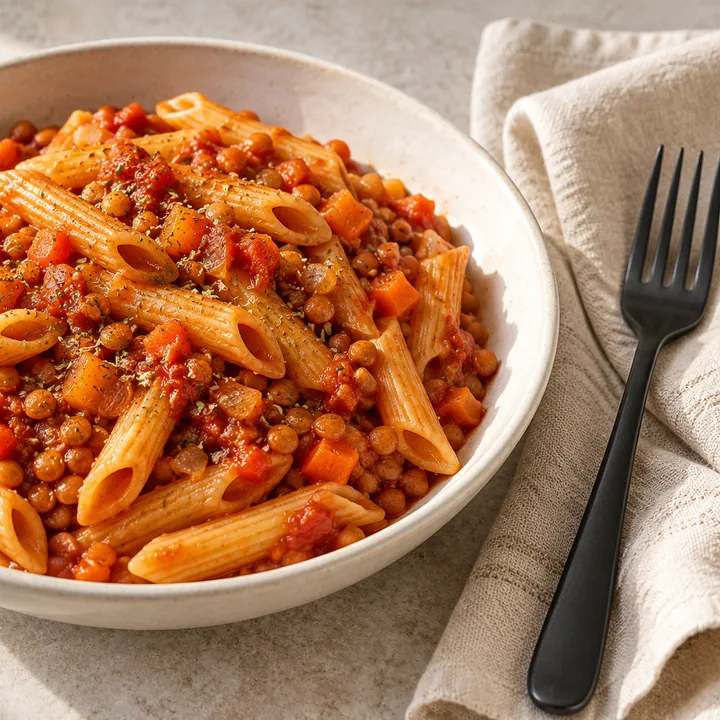
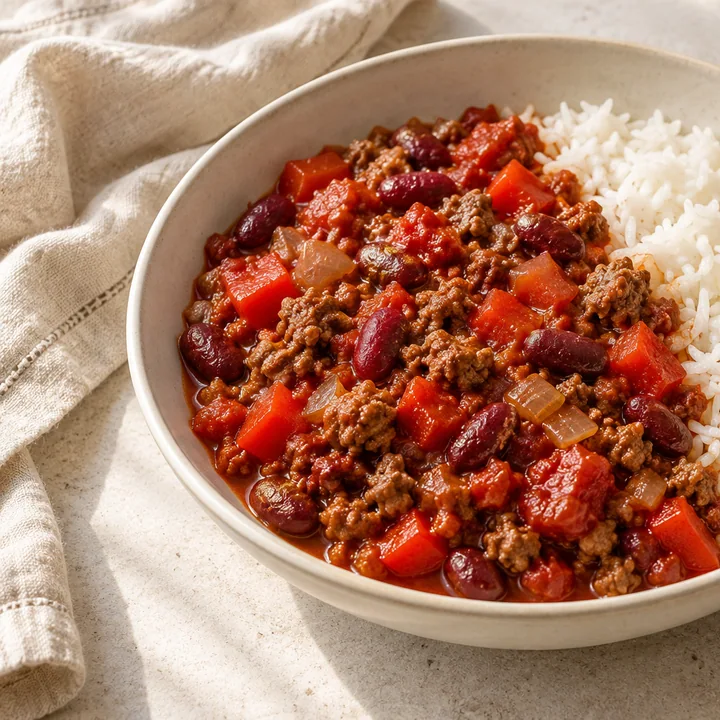

Know your nutrients
Calcium
Supports bones, teeth and normal muscle function.
Running makes bone health relevant, but calcium cannot make up for too little total food or an unsuitable training load.
Food sources
Milk, yoghurt, calcium-fortified plant drinks and some calcium-set tofu.
Meals to try
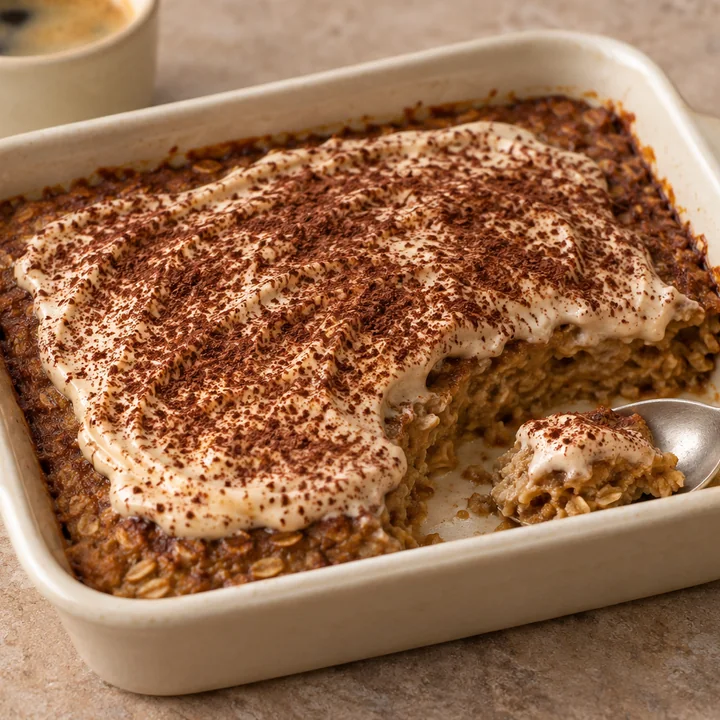
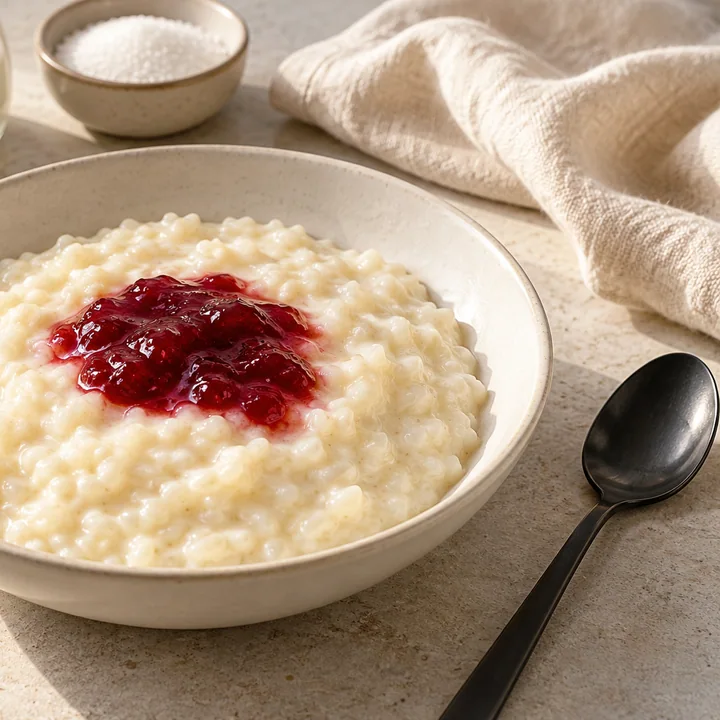

Know your nutrients
Vitamin D
Helps regulate calcium and phosphate for bones and muscles.
Food sources are limited. UK sunlight does not support enough vitamin D production through the darker months.
Food sources
Oily fish, egg yolks and some fortified foods.
Meals to try
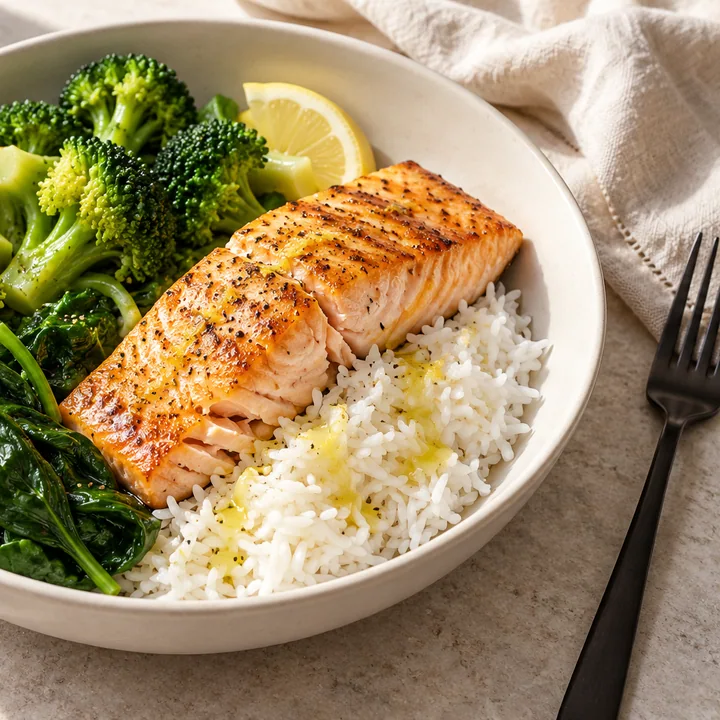

Know your nutrients
Vitamin B12
Supports red blood cells and the nervous system.
People avoiding animal foods need a dependable B12 source. Ordinary unfortified plant foods are not a reliable replacement.
Food sources
Fish, meat, eggs, dairy and appropriately fortified foods.
Meals to try

Know your nutrients
Folate
Helps the body form healthy red blood cells.
Varied everyday meals help cover small nutrient needs without turning each run into a supplement decision.
Food sources
Leafy greens, broccoli, pulses and fortified cereals.
Meals to try
Know your nutrients
Magnesium
Contributes to energy release from food and normal bone-related processes.
A supplement is not an automatic answer to a difficult run. Start by looking at your overall food pattern.
Food sources
Wholegrains, nuts, pulses and leafy greens.
Meals to try
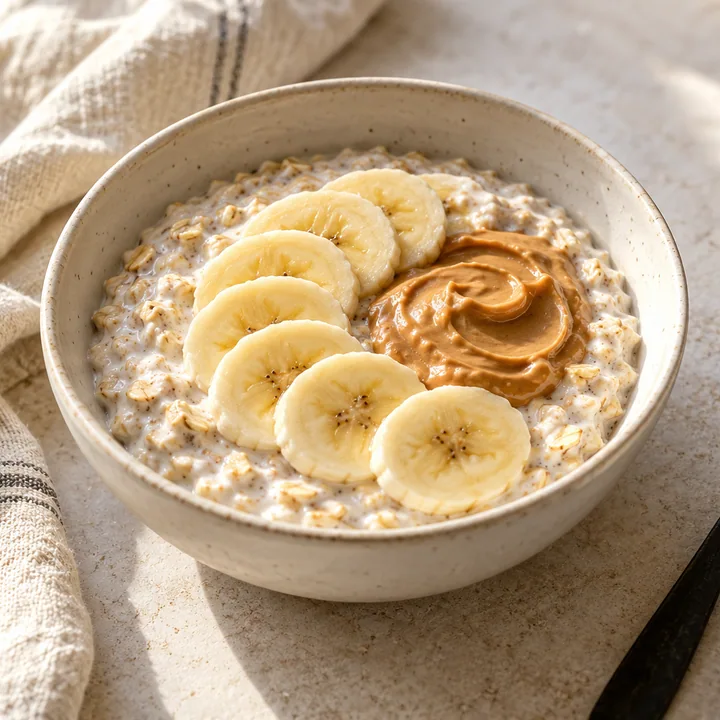
Know your nutrients
Potassium
Helps normal fluid balance and heart-muscle function.
The amount in a meal is useful context, not an instruction to replace every mineral lost on a run.
Food sources
Potatoes, bananas, pulses, vegetables, dairy and fish.
Meals to try
Know your nutrients
Sodium
Helps maintain fluid balance.
Long, hot or sweaty exercise may need an individual drinking plan. Everyday sodium totals and during-run replacement answer different questions.
Food sources
Bread, sauces, many prepared foods and salt.
Meals to try
Know your nutrients
Zinc
Supports cell processes and wound healing.
Regular meals with protein foods and grains offer a practical place to start.
Food sources
Meat, dairy, bread, cereals, pulses and nuts.
Meals to try
Know your nutrients
Iodine
Supports thyroid hormones, which help regulate metabolism.
Swapping dairy for an unfortified alternative can change iodine intake even when the drink looks similar.
Food sources
Fish, dairy and some fortified plant alternatives.
Meals to try
Know your nutrients
Vitamin C
Supports normal connective tissue and helps absorption of plant iron.
Including fruit or vegetables alongside pulse-based meals is a simple food-first combination.
Food sources
Peppers, berries, citrus fruit and broccoli.
Meals to try
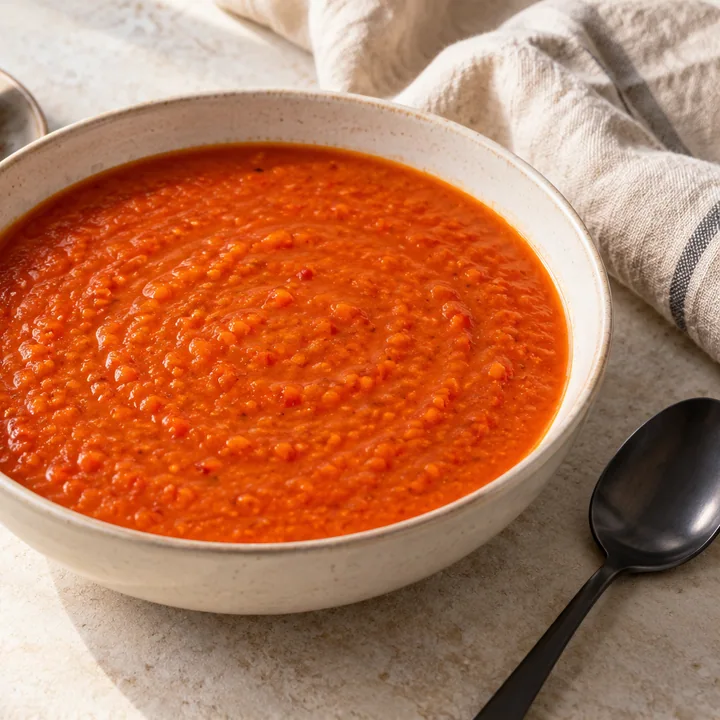
Know your nutrients
Vitamin A
Supports vision and the immune system.
A colourful range of foods can include carotenoids that the body can convert to vitamin A.
Food sources
Carrots, leafy greens, eggs and dairy.
Meals to try
Know your nutrients
Vitamin E
Helps protect cells from oxidative damage.
It is one reason to include a range of normal foods, rather than interpreting exercise as a need for high-dose antioxidants.
Food sources
Nuts, seeds, vegetable oils and wholegrains.
Meals to try
Know your nutrients
Vitamin K
Supports normal blood clotting and bone health.
Leafy greens fit into varied everyday meals. A recipe nutrient value is not advice to change medicine-related dietary instructions.
Food sources
Leafy greens, broccoli and some vegetable oils.
Meals to try
Know your nutrients
Selenium
Supports immune function and helps protect cells.
A varied diet can supply selenium without needing a special runner’s supplement.
Food sources
Fish, eggs, meat and some nuts.
Meals to try
Know your nutrients
B vitamins: the everyday essentials
Help the body use food and support normal nervous-system functions.
B1 and B2 help release energy from food; B6 also contributes to haemoglobin formation. B3 supports skin and nerves, B5 helps energy metabolism, and B7 helps make fatty acids. They do not supply calories.
Food sources
Grains, milk, eggs, poultry, pulses, bananas and fortified foods.
Meals to try

Know your nutrients
Phosphorus
Supports bones, teeth and energy-related processes.
It is present in many ordinary foods, so a separate product is rarely the first practical question for a runner.
Food sources
Dairy, fish, meat, oats, bread and other grains.
Meals to try
The Weekly Kitchen
Your next good meal.
In your inbox.
Friday food inspiration for the week ahead. Choose what sounds good to you, from protein-packed dinners to carb-loading ideas and something sweet.
- Recipes picked around your interests
- One useful nutrition tip for your training week