Food & performance
Foods that support your running.
What you eat can help you fuel a session, recover and stay well enough to train. Start with enough food, then use the details to make choices that suit your running.
A useful food does not have to be a “superfood”. These labels describe the type of benefit being discussed, rather than a score for the whole ingredient. A recipe is a way to enjoy the food, not proof of a faster finish time.
Everyday foundation
Oats, rice, pasta & potatoes
Fuel for the work
Carbohydrate supplies working muscles and replenishes glycogen. Match portions to your training rather than adding a special food to an under-fuelled day.
Put it into practice
Build meals around a carbohydrate source. Before a run, choose familiar food and allow time to digest; lower-fibre choices can suit a sensitive stomach.
Keep in mind
A dinner recipe is one part of your day. Long-run fuel during exercise needs a separate, practised plan.
Cook with it
 Try this recipeSticky ginger-lime chicken with charred broccoli86 g carbohydrate · 57 g protein per default serving ↗
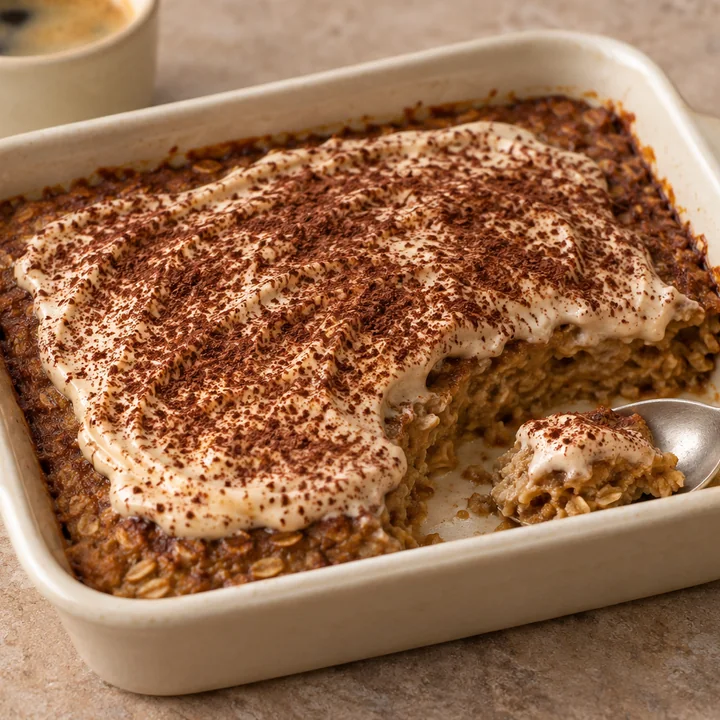 Try this recipeTiramisu-inspired baked oats with coffee yoghurt75 g carbohydrate · 22 g protein per default serving ↗
Everyday foundation
Milk, yoghurt, eggs, tofu & pulses
Repair and adaptation
Protein provides amino acids for repair and training adaptation. Spread protein-containing meals across the day and keep carbohydrate alongside them when refuelling.
Put it into practice
Choose dairy, eggs, fish, meat, tofu or pulses at meals. Milk and yoghurt can be convenient after a run; soya alternatives vary in protein and fortification, so check the label.
Keep in mind
Protein powder is optional. A recovery snack may need a later meal, especially after a long session.
Cook with it
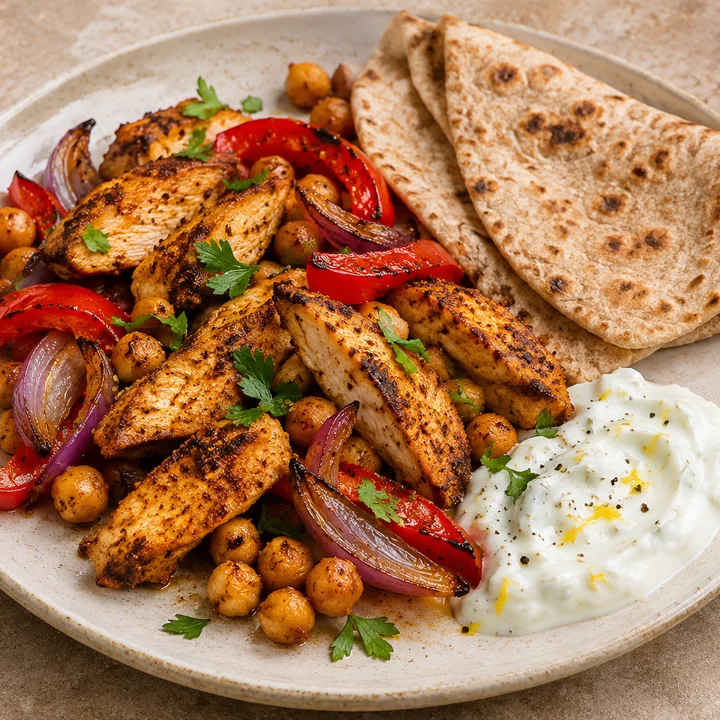 Try this recipeShawarma-style chicken & chickpea traybake72 g carbohydrate · 60 g protein per default serving ↗
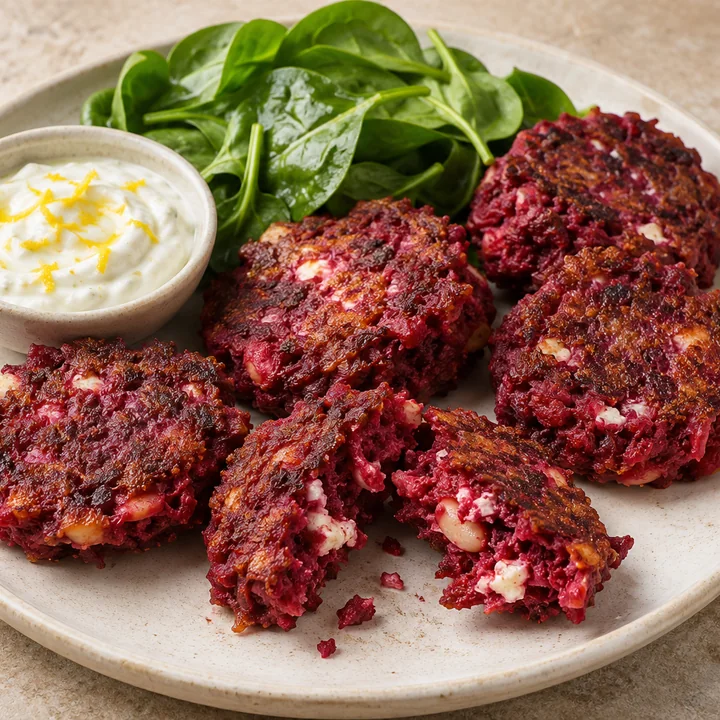 Try this recipeBeetroot, feta & butter bean fritters53 g carbohydrate · 25 g protein per default serving ↗
Supports normal function
Beans, lentils & lean red meat
Oxygen transport
Iron helps make the red blood cells that carry oxygen. Include a range of iron-containing foods; adding extra iron does not automatically improve performance.
Put it into practice
Rotate beans, lentils and, if you eat it, modest portions of lean red meat. Nuts and fortified cereals offer other options. The recipe panel shows estimated iron per serving.
Keep in mind
Persistent tiredness, breathlessness or heavy periods deserve assessment. Do not self-treat unexplained fatigue with iron tablets. Follow NHS advice to limit red and processed meat.
Cook with it
 Try this recipeRoasted squash, peanut & lentil curry100 g carbohydrate · 26 g protein per default serving ↗
 Try this recipeSmoky beef & bean enchilada bake55 g carbohydrate · 41 g protein per default serving ↗
Supports normal function
Dairy, fortified alternatives & oily fish
Bone and muscle function
Calcium supports bones and normal muscle function. Vitamin D helps your body absorb calcium; oily fish contributes some, while food alone may not meet UK vitamin D needs.
Put it into practice
Include calcium-containing foods regularly. Check plant drinks and yoghurts for added calcium and vitamin D; not all brands are fortified. Tofu calcium also varies with how it is made.
Keep in mind
Extra calcium cannot compensate for too little total food. Follow current NHS vitamin D advice, including the UK autumn and winter supplement recommendation.
Cook with it
 Try this recipeSweetcorn, cheddar & chilli muffins30 g carbohydrate · 11 g protein per default serving ↗
 Try this recipeCrisp salmon, coconut rice & mango-lime salsa79 g carbohydrate · 39 g protein per default serving ↗
Everyday foundation
Water, drinks & food with fluid
Support hydration
Drink to support your session, the weather and your individual losses. Meals, milk and soups contribute fluid; sports drinks can also provide carbohydrate and sodium during longer exercise.
Put it into practice
Start normally hydrated. Practise carrying and drinking fluids on long runs, and use the fuelling planner to keep carbohydrate needs separate from drinking volume.
Keep in mind
More water is not always better. Do not force fluids, and do not assume an electrolyte tablet replaces food or carbohydrate.
Cook with it
 Try this recipeLemon chicken, leek & orzo soup55 g carbohydrate · 45 g protein per default serving ↗
Benefit in specific situations
Beetroot & leafy greens
Dietary nitrate
Dietary nitrate can increase nitric oxide availability and may improve exercise economy or performance in some settings. Responses vary; gains are less consistent in highly trained endurance athletes.
Put it into practice
Enjoy beetroot, spinach and other greens as part of varied meals. Research often uses a standardised beetroot concentrate providing about 350–500 mg nitrate, roughly 2–3 hours before exercise.
Keep in mind
This fritter recipe is not a measured nitrate dose. Vegetable nitrate varies with growing and storage conditions. Trial concentrated products in training because they can upset your stomach; get sports-dietitian advice for a targeted protocol.
Cook with it
Try this recipeBeetroot, feta & butter bean fritters53 g carbohydrate · 25 g protein per default serving ↗ Try this recipeRoasted squash, tofu & red lentil dhal84 g carbohydrate · 34 g protein per default serving ↗
Benefit in specific situations
Coffee & other caffeine sources
Perceived effort and alertness
Caffeine can improve endurance performance and reduce perceived fatigue for some adults. The amount in a coffee varies widely, and a larger dose is not necessarily more helpful.
Put it into practice
If you already tolerate caffeine, trial a familiar amount in training. Count coffee, tea, gels and other sources together. The baked oats are a food idea with coffee flavour, not a caffeine dosing plan.
Keep in mind
Caffeine can disturb sleep, worsen anxiety or cause stomach symptoms. Decaf is an option. It is optional for running; pregnancy guidance limits total caffeine to 200 mg a day. Seek individual advice if medicines or a health condition affect your use.
Cook with it
Try this recipeTiramisu-inspired baked oats with coffee yoghurt75 g carbohydrate · 22 g protein per default serving ↗Emerging or mixed evidence
Cherries, berries & colourful fruit
Variety, with recovery research in context
Fruit adds variety and nutrients. Concentrated tart-cherry and other fruit-polyphenol products have been studied for recovery, but findings are mixed and depend on the product and exercise setting.
Put it into practice
Include fruit you enjoy across the week. Berries work in baked oats, pancakes and desserts; they do not need a performance claim to be worthwhile.
Keep in mind
A raspberry cheesecake or cherry flapjack does not reproduce a tart-cherry concentrate study. Do not expect a guaranteed reduction in soreness or faster race times from one food.
Cook with it
 Try this recipeRaspberry ripple baked yoghurt cheesecake27 g carbohydrate · 8 g protein per default serving ↗
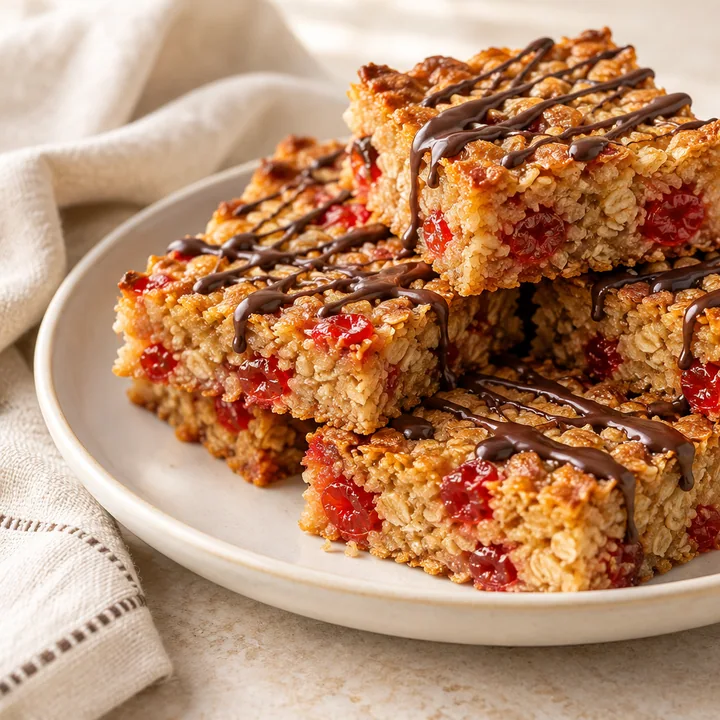 Try this recipeDark chocolate & cherry flapjacks33 g carbohydrate · 3 g protein per default serving ↗
Evidence reviewed 2 November 2026. General information for adults; linked sources explain the detail and limitations.
The Weekly Kitchen
Your next good meal.
In your inbox.
Friday food inspiration for the week ahead. Choose what sounds good to you, from protein-packed dinners to carb-loading ideas and something sweet.
- Recipes picked around your interests
- One useful nutrition tip for your training week