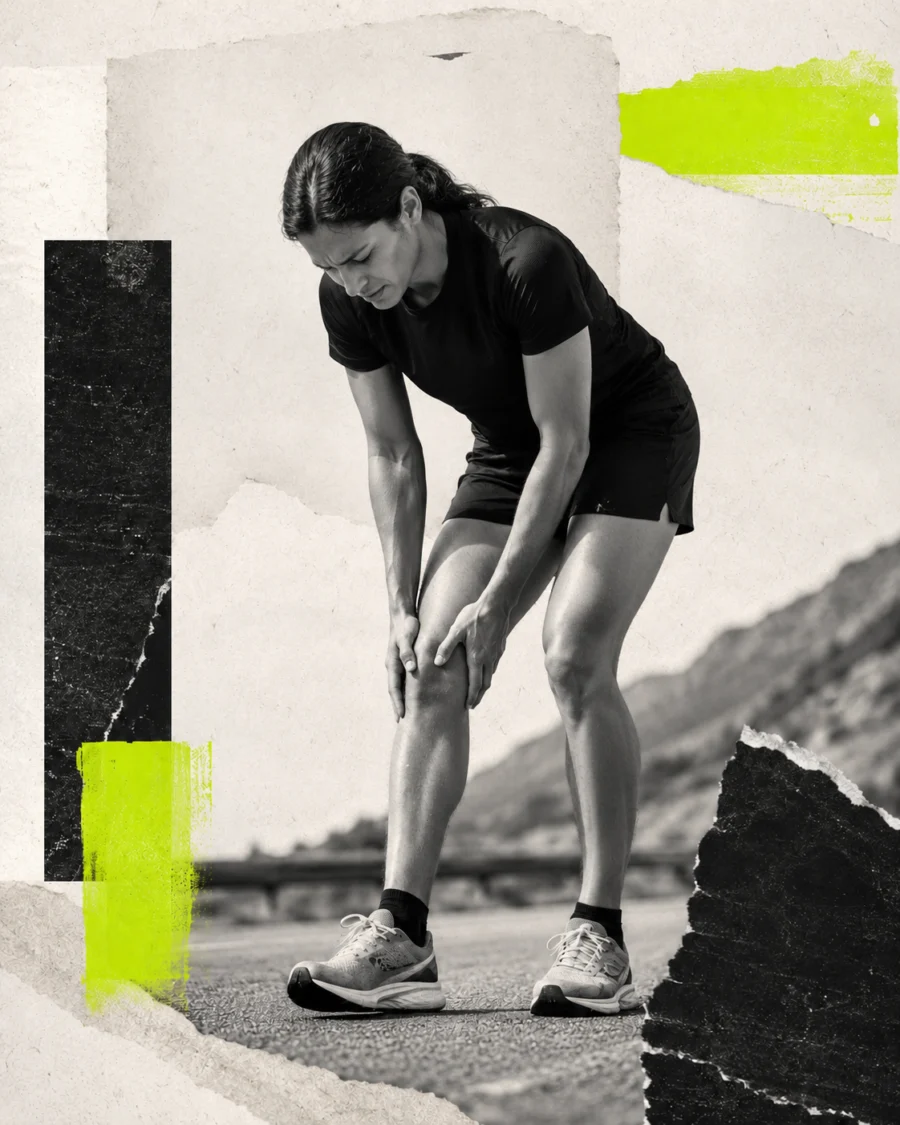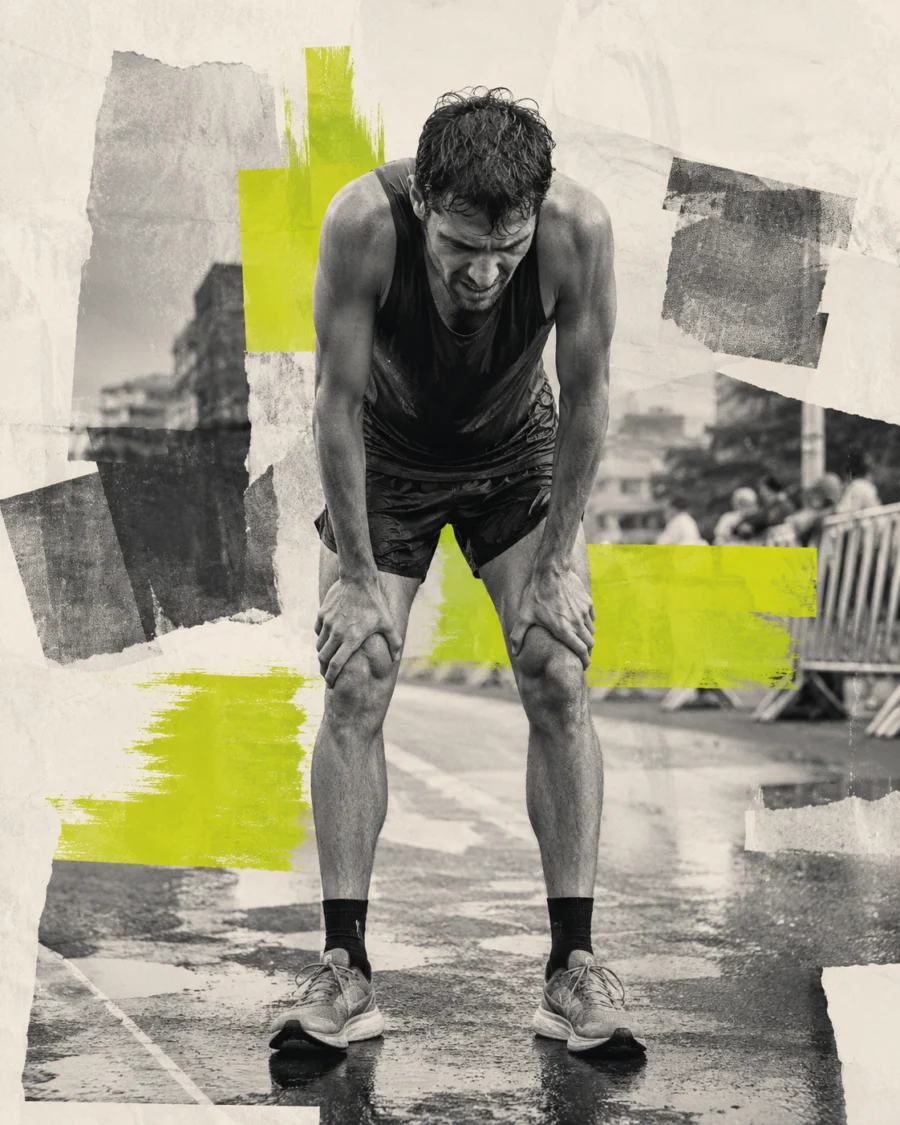
From emergency toilet stops and bleeding nipples to black toenails, bladder leaks and the post-race shuffle: these are the less photogenic realities of running a half marathon or marathon.
Race-day content tends to focus on the cinematic parts: the start-line nerves, the cheering crowds and the tearful finish. It rarely mentions the runner crouched behind a hedge at kilometre 28, the blood soaking through somebody’s vest or the moment you discover that sweat can make areas of your body chafe that you had never previously considered separate body parts.
Long-distance running can be brilliant. It can also be sweaty, bloody, nauseating and deeply undignified.
Many of the things nobody tells you about running a marathon are uncomfortable rather than dangerous. Others can look similar to a routine race-day problem while signalling something more serious. Knowing the difference makes you better prepared – not less brave.
Here are 13 gruesome half marathon and marathon problems that deserve a more honest conversation.
THE QUICK ANSWER
During half marathons and marathons, runners may experience:
- Sudden bowel urgency, diarrhoea, wind or stomach cramps
- Nausea, reflux or vomiting
- Chafing around the thighs, groin, armpits, waist and backside
- Raw or bleeding nipples
- Black toenails and delayed nail loss
- Fluid-filled or blood-filled blisters
- Urine leakage
- Period leakage or menstrual symptoms
- Pink, red or unusually dark urine
- Swollen fingers from fluid shifts – or, more seriously, overdrinking
- Shivering, dizziness or nausea after stopping
- Severe stiffness and difficulty sitting down or using stairs
- A surprisingly flat or emotional post-race comedown
Most can be reduced by testing your kit, shoes, fuelling and hydration during training. However, confusion, collapse, chest pain, severe breathlessness, persistent vomiting, blood in the stool, very dark urine or worsening pain require medical attention.

A NOTE BEFORE THE GRUESOME BIT
This article is not suggesting that everybody will experience all – or even any – of these problems. A well-prepared runner can finish feeling tired, hungry and entirely in control of their bodily fluids.
The point is to remove the embarrassment. If something affects enough runners to appear repeatedly in race medical tents, changing rooms and desperate post-run internet searches, it deserves sensible advice.
1. YOUR BOWELS MAY DEVELOP THEIR OWN RACE STRATEGY
“Runner’s stomach” can mean cramping, wind, reflux, nausea or an urgent need to open your bowels. During a race, the warning can arrive with very little interest in the location of the nearest toilet.
This is not simply nerves. Running repeatedly moves the gut, stress hormones change digestive activity and blood flow is redirected towards working muscles and temperature control. Heat, dehydration, concentrated carbohydrate, caffeine and unfamiliar food can add to the problem.
In one survey of marathon runners, 53% reported an urge to have a bowel movement and 38% reported diarrhoea. Another study found lower gastrointestinal symptoms were more common during running than cycling.
WHAT HELPS
- Practise your race breakfast and fuel during long runs.
- Avoid suddenly increasing fibre, fat or spicy food before race day.
- Learn how much caffeine your gut tolerates.
- Use the same gels, drinks and concentration you plan to race with.
- Leave enough time for breakfast and a pre-race toilet visit.
- Identify toilets on the course before the race begins.
Needing a toilet stop is frustrating. It is not a moral failure, a lack of fitness or evidence that you are “bad at running”.
WHEN IT IS NOT JUST RUNNER’S STOMACH
Stop and seek medical advice for severe or localised abdominal pain, repeated vomiting, fainting, or visible blood in the stool. Blood should not be dismissed as a normal consequence of running.
2. YES, SOME RUNNERS POO THEMSELVES
There is no elegant way to phrase this, which is probably why nobody phrases it at all.
Severe urgency can occasionally become faecal leakage – particularly when a runner is pushing hard, toilets are unavailable and the bowel has already been irritated. It is not inevitable, but it is possible.
If you are frequently unable to control your bowels during training, do not simply add “dark shorts” to your race plan. Speak to a GP, sports dietitian or appropriate gastrointestinal specialist. Recurrent leakage, ongoing diarrhoea or blood needs proper assessment.
A small race kit containing tissues, a sealable bag and spare underwear may feel excessive until the precise moment it does not.
3. GELS CAN BECOME REVOLTING – AND YOU MAY VOMIT
The gel flavour you happily tolerated at kilometre eight may taste like industrial wallpaper paste by kilometre 34.
Nausea can develop because of intensity, heat, dehydration, excessive fluid, poorly tolerated carbohydrate or a gut that has not practised taking fuel while running. Swallowing large amounts at once can make matters worse.
WHAT HELPS
- Train your gut gradually instead of introducing a full race-fuelling plan overnight.
- Take smaller, regular amounts rather than waiting until you are depleted.
- Check whether your gel is designed to be taken with water.
- Use more than one flavour or texture if sweetness fatigue affects you.
- Slow down briefly if nausea begins; pushing harder rarely settles the stomach.
One episode of vomiting does not identify the cause. Persistent vomiting – especially with headache, confusion, swollen hands or altered behaviour – requires urgent assessment because it can occur with serious conditions including exercise-associated hyponatraemia.
4. CHAFING CAN REACH PLACES YOU DID NOT KNOW COULD CHAFE
Long-distance running combines friction, moisture, salt and thousands of repeated movements. The result can be raw skin around the:
- Inner thighs
- Groin and genitals
- Buttocks and crease between them
- Armpits
- Waistband
- Sports-bra band
- Underarms and sides of the chest
- Areas beneath a phone belt, hydration vest or race-number pin
You might not notice much while running. Then you step into the shower and discover every damaged patch simultaneously.
WHAT HELPS
Apply a tested anti-chafing balm to known friction points, wear smooth moisture-wicking clothing and avoid new underwear or kit on race day. Check seams, labels, zips and pockets during long runs – not while standing still in front of a mirror.
Change out of wet clothing soon after finishing. Clean irritated skin gently and seek advice if there is spreading redness, swelling, discharge, increasing pain or another sign of infection.
5. YOUR NIPPLES CAN BLEED THROUGH YOUR TOP
“Runner’s nipple” is friction damage caused by clothing repeatedly rubbing the nipple or areola. Sweat and rain can increase irritation. It affects runners of any sex, although the classic finish-line photograph tends to involve a man in a white vest discovering that his chest has produced two red racing stripes.
Prevention is considerably more pleasant than treatment:
- Cover the nipples with a product designed for prolonged exercise.
- Test adhesive patches or tape before race day – skin reactions are possible.
- Use a well-fitting sports bra where appropriate.
- Avoid rough, heavy or waterlogged fabric.
- Apply a suitable barrier balm if it reliably stays in place for you.
Do not apply a new adhesive on race morning and assume sweat will respect the arrangement.
6. A BLACK TOENAIL MAY FALL OFF WEEKS LATER
Black toenails usually develop when repeated contact between the toe and shoe causes bleeding beneath the nail. This is known as a subungual haematoma. Long descents, swollen feet, overlong nails, loose lacing and shoes that are too short can all contribute.
The nail may become tender, change colour, loosen and eventually fall away. The delayed timing can be unsettling: you finish the race, recover, return to normal life – and then your toenail quietly resigns several weeks later.
WHAT HELPS
- Leave enough space at the front of your running shoes.
- Secure the heel so your foot does not repeatedly slide forwards.
- Trim nails straight across without cutting them excessively short.
- Test race shoes over long distances and downhill running.
- Remember that feet may swell during a marathon.
Do not drill or burn a hole through the nail yourself. Severe throbbing pain, a large haematoma, an injured or partly detached nail, diabetes, poor circulation or signs of infection warrant assessment by a qualified clinician or podiatrist.
7. BLISTERS CAN FILL WITH BLOOD
A blister forms when repeated friction separates layers of skin and fluid collects between them. If small blood vessels are damaged, that fluid can contain blood.
Blood blisters look dramatic, but colour alone does not tell you how serious the problem is. Location, pain, size, cleanliness and whether the skin remains intact all matter.
PREVENTION STARTS BEFORE RACE DAY
- Wear shoes with enough space and a secure heel.
- Test socks in the conditions you expect to race in.
- Keep feet as dry as practical.
- Deal with hotspots during training instead of waiting for a blister.
- Avoid racing in brand-new shoes, socks or insoles.
If a blister is large, extremely painful, infected-looking or positioned so that it changes the way you walk, seek appropriate medical or podiatry advice. Avoid copying improvised drainage techniques from social media.
8. YOU MAY LEAK URINE – AND IT IS NOT ONLY A FEMALE ISSUE
Urine leakage during running is more common than most race conversations suggest. Repeated impact, fatigue, urgency and pelvic-floor dysfunction can all contribute.
In a study of recreational female marathon runners, 30.7% reported urinary incontinence. Research in elite track-and-field athletes has also recorded leakage in both women and men, although it was considerably more prevalent in women.
It may happen during faster running, downhill sections, coughing, sneezing or the final kilometres when fatigue is high.
WHAT TO DO
- Do not deliberately dehydrate yourself to avoid leakage.
- Use tested, comfortable protection if needed on race day.
- Avoid assuming that more unsupervised pelvic-floor squeezing is always the answer.
- Seek assessment from a pelvic-health physiotherapist or GP if leakage is recurrent, worsening or affecting your training.
Urinary incontinence is common, but “common” does not mean you have to accept it without support.
9. YOUR PERIOD WILL NOT CHECK THE RACE CALENDAR
A period can arrive early, late or exactly on race morning with impeccable comic timing. The practical challenges may include cramps, loose stools, heavy bleeding, product changes and limited toilet access.
Prepare for the possibility even if your cycle is usually predictable:
- Carry your preferred products in a waterproof bag.
- Test period underwear, tampons, cups or discs during training first.
- Know where course toilets are located.
- Pack spare underwear and pain relief that you already know is appropriate for you.
- Avoid taking unfamiliar medication on race day.
Menstrual leakage may feel embarrassing, but it is not a medical emergency. By contrast, repeatedly missing periods during training is not proof that you have become “fit enough”. It can be associated with low energy availability and deserves discussion with a healthcare professional – particularly alongside fatigue, recurrent injuries or declining performance.
10. YOUR URINE MAY LOOK PINK, RED OR BROWN
Long or intense exercise can sometimes be followed by blood in the urine. However, runners should not diagnose the cause themselves. Red urine could reflect urinary bleeding, food or medication – and very dark brown or cola-coloured urine can occur with muscle breakdown.
Marathon studies have found temporary changes in kidney function and biomarkers after racing. These findings do not mean every marathon causes lasting kidney damage, but they do reinforce the importance of taking abnormal urine and systemic symptoms seriously.
Seek prompt medical advice if discolouration persists or is accompanied by:
- Severe muscle pain or swelling
- Marked weakness
- Producing very little urine
- Fever, fainting or confusion
- Back, flank or abdominal pain
- Pain when urinating
Dark urine after a race is not something to “flush out” by aggressively forcing down litres of water. Excessive drinking creates a different risk.
11. YOUR FINGERS MAY SWELL – AND MORE WATER IS NOT ALWAYS THE ANSWER
Mild hand swelling can occur during prolonged running because of changes in blood flow, posture and fluid distribution. Rings may feel tight and fingers can resemble small sausages.
The dangerous assumption is that every unpleasant feeling during a marathon means dehydration and therefore requires more water.
Exercise-associated hyponatraemia occurs when blood sodium becomes abnormally low, usually in the context of taking in more fluid than the body can excrete during prolonged exercise. In a major Boston Marathon study, weight gain during the race and longer finishing time were associated with hyponatraemia.
Possible warning signs include:
- Headache
- Nausea or repeated vomiting
- Increasing puffiness or swelling
- Confusion or unusual behaviour
- Severe weakness
- Seizure or collapse
These symptoms require urgent medical assessment. Drinking more plain water can make the situation worse.
Use a personalised hydration plan developed in training, respond to conditions and avoid treating every aid station as a compulsory drinking challenge.
12. THE FINISH LINE CAN MAKE YOU SHIVER, STAGGER OR FEEL SICK
During the race, working muscles produce heat and help return blood towards the heart. Once you stop, heat production drops, sweat-soaked clothing continues cooling you and blood can pool in the legs. That can leave you cold, light-headed, nauseated or unsteady.
AFTER FINISHING
- Keep walking gently if you are able.
- Collect dry layers promptly.
- Move out of wind and rain.
- Take food and fluid gradually according to tolerance.
- Do not sit alone if you feel faint or confused.
Shivering in wet clothes is not automatically “just the adrenaline wearing off”. Seek race medical support for confusion, collapse, chest pain, severe breathlessness, an inability to walk safely, very hot skin, worsening symptoms or uncontrollable shivering.
Exertional heat stroke is uncommon, but it is an emergency. It can occur even when the weather does not feel exceptionally hot, and altered mental state is a critical warning sign.
13. THE POST-RACE RECOVERY MAY BE DEEPLY UNGLAMOROUS
The medal photo lasts seconds. The negotiations required to lower yourself onto a toilet seat may continue for days.
After a marathon – sometimes after a hard half marathon – you may experience:
- Severe stiffness when using stairs
- Tender feet and swollen toes
- A disturbed appetite
- Constipation or another urgent bowel movement
- Poor sleep despite exhaustion
- Feeling cold, headachy or generally “off”
- An unexpected emotional dip after weeks of build-up
Some soreness and fatigue are expected, but recovery should gradually move in the right direction. Worsening pain, one-sided swelling, chest symptoms, fainting, fever, persistent vomiting, dark urine or an inability to bear weight need medical assessment.
The emotional comedown can be real too. A major goal has occupied your calendar, conversations and thoughts for months; then it is suddenly finished. Give yourself a few quiet days before deciding that the answer is immediately booking a faster, longer or more mountainous version.
COMMON, CONCERNING OR AN EMERGENCY?
This table is a guide, not a diagnostic tool. When in doubt during an organised event, speak to the race medical team.
| Symptom | Often manageable | Seek medical help |
|---|---|---|
| Gut symptoms | Mild wind, brief cramps or a single urgent toilet stop that settles | Severe pain, repeated vomiting, fainting or blood in the stool |
| Chafing | Superficial soreness in a known friction area | Deep wound, spreading redness, swelling, discharge or increasing pain |
| Toenail injury | Mild discolouration or tenderness that improves | Severe throbbing, major nail damage, infection or inability to walk normally |
| Urine leakage | Small exercise-related leak | New recurrent leakage, pain, blood or inability to pass urine |
| Urine colour | Slightly concentrated yellow urine | Pink/red urine that persists, cola-coloured urine or reduced urine with severe muscle pain |
| Finish-line fatigue | Tired, stiff and emotional but alert and improving | Confusion, collapse, chest pain, severe breathlessness, seizure or worsening condition |
| Hand swelling | Mild puffiness without other symptoms | Swelling with headache, vomiting, confusion or altered behaviour |
THE ANTI-DISASTER RACE KIT
You do not need to carry a mobile pharmacy around the course. A few tested items can prevent a small problem becoming the defining feature of your race.
Consider packing:
- Anti-chafing balm
- Nipple covers or your tested protection
- Tissues or wipes permitted by the event
- A sealable bag
- Spare underwear and socks in your kit bag
- Period products if relevant
- Dry layers for the finish
- Familiar blister protection
- Your tested fuel – not whatever looked exciting at the expo
Nothing new on race day applies to underwear, adhesives and breakfast just as much as it applies to running shoes.
HOW TO REDUCE THE RISK BEFORE RACE DAY
REHEARSE THE BORING DETAILS
Long runs are not only fitness sessions. Use them to test breakfast timing, fuel, drinks, clothing, socks, underwear, lubrication and toilet strategy.
CHECK YOUR ENTIRE KIT WHEN WET
A top that feels soft when dry may become abrasive in rain or after two hours of sweating. Seams and straps also behave differently once saturated.
TRAIN YOUR GUT
Build towards your intended carbohydrate intake gradually. A gut that has only received water during training should not meet several gels for the first time on race morning.
DO NOT IGNORE REPEATED SYMPTOMS
Regular bowel leakage, urine leakage, vomiting, missed periods, blood in urine or severe abdominal pain are not problems to conceal until after the race. Early professional advice may make training safer and much less stressful.
HAVE A FINISH-LINE PLAN
Know where your bag, dry clothing, food, transport and meeting point will be. Your post-race brain may be considerably less interested in logistics than your pre-race brain.
THE RUNNER’S JOURNAL BOTTOM LINE
Half marathons and marathons can be inspiring, but they are not sanitised endurance montages. Sometimes there is blood. Sometimes there is vomit. Sometimes a hedge becomes part of the race strategy.
Most gruesome marathon problems become easier to manage when runners can talk about them without embarrassment. Test your kit, practise fuelling, train your gut and prepare for the practical realities of a long race.
At the same time, do not let endurance culture convince you that every symptom should be endured. Confusion, collapse, chest pain, persistent vomiting, blood in the stool or urine, cola-coloured urine and severe or worsening pain require medical help – not a tougher mindset.
The goal is not to finish looking immaculate. It is to reach the finish safely, understand what your body is telling you and retain as many toenails as circumstances allow.
FREQUENTLY ASKED QUESTIONS
Is it normal to need the toilet during a marathon?
Bowel urgency and other gastrointestinal symptoms are common during long-distance running. Rehearsing breakfast and fuel, moderating pre-race fibre and identifying course toilets can help. Recurrent diarrhoea, leakage, severe pain or blood should be discussed with a healthcare professional.
Why do marathon runners get bleeding nipples?
Repeated rubbing between damp clothing and the nipple can damage the skin. Tested nipple covers, a well-fitting sports bra, appropriate barrier products and smooth technical clothing can reduce friction.
Will a black toenail always fall off after running?
No. Some discoloured nails remain attached and grow out normally; others loosen and shed later. Seek advice if the nail is extremely painful, badly damaged or showing signs of infection. Avoid attempting to drain it yourself.
Is it normal to leak urine while running?
Urine leakage is relatively common among runners, but it should not be dismissed. A pelvic-health physiotherapist or GP can assess possible contributing factors and provide individual treatment. Do not restrict fluid aggressively to hide the problem.
Why do I feel sick after finishing a half marathon?
Possible contributors include high effort, heat, gut irritation, low energy intake, dehydration or excessive fluid intake. Mild nausea that settles may be manageable, but persistent vomiting, confusion, severe headache, collapse or worsening symptoms require immediate medical assessment.
Why am I freezing after a marathon?
Heat production falls quickly when you stop, while sweat and wet clothing continue to cool the body. Keep moving gently, change into dry layers and shelter from wind or rain. Confusion, uncontrollable shivering or inability to warm up needs medical attention.
Is blood in urine normal after a marathon?
Exercise can be followed by temporary urinary changes, but visible blood should not be self-diagnosed. Seek medical advice, particularly if the colour persists or occurs with pain, fever, weakness, severe muscle soreness or reduced urine output.
How long should marathon soreness last?
Soreness often peaks during the first few days and then improves. The pattern matters more than an exact deadline. Worsening pain, major swelling, inability to bear weight, chest symptoms, fever or dark urine should be assessed.
RELATED READING
- Runner’s Stomach: How to Prevent Toilet Stops During a Marathon
- Gut Training for Runners: How to Fuel Without Stomach Problems
- Why Do Runners’ Toenails Fall Off?
- Marathon Tapering: 7 Costly Mistakes That Can Ruin Race Day
- Carbohydrates for Runners: How Much Do You Really Need?
- How to Balance Running and Strength Training
REFERENCES
- Riddoch C, Trinick T. Gastrointestinal disturbances in marathon runners. British Journal of Sports Medicine. 1988.
- Peters HPF, Bos M, Seebregts L, et al. Gastrointestinal symptoms in long-distance runners, cyclists, and triathletes. European Journal of Applied Physiology. 1999.
- Abitteboul Y, Leonard F, Mouly L, et al. Urinary incontinence in non-professional female marathon runners. Journal of Gynecology Obstetrics and Human Reproduction. 2015.
- Rodríguez-López ES, Acevedo-Gómez MB, Romero-Franco N, et al. Urinary incontinence among elite track and field athletes according to their event specialisation. Sports Medicine – Open. 2022.
- Purim KSM, Leite N. Sports-related dermatoses among road runners in Southern Brazil. Anais Brasileiros de Dermatologia. 2014.
- Almond CSD, Shin AY, Fortescue EB, et al. Hyponatremia among runners in the Boston Marathon. New England Journal of Medicine. 2005.
- Mansour SG, Verma G, Pata RW, et al. Kidney injury and repair biomarkers in marathon runners. American Journal of Kidney Diseases. 2017.
- McCullough PA, Chinnaiyan KM, Gallagher MJ, et al. Changes in renal markers and acute kidney injury after marathon running. Nephrology. 2011.
- Breslow RG, Collins JE, Troyanos C, et al. Exertional heat stroke at the Boston Marathon: demographics and the environment. Medicine & Science in Sports & Exercise. 2021.
This article is for general educational purposes and is not personalised medical, nutrition or training advice. Seek urgent medical help for severe, persistent or worsening symptoms, including confusion, collapse, chest pain, severe breathlessness, blood in the stool, cola-coloured urine or an inability to keep fluids down.