Black, bruised and missing toenails are often treated as an inevitable part of long-distance running. But why do runners’ toenails fall off – and can the damage be prevented?
There are running achievements people proudly display: medals, race photographs and suspiciously detailed screenshots from Strava.
A missing toenail is rarely among them.
Yet black, loose and occasionally absent toenails are remarkably familiar to long-distance runners. They are particularly common after marathons, trail races and training blocks involving more mileage than your feet are accustomed to.
The usual explanation is repeated trauma. Your toe strikes or presses against the inside of your shoe thousands of times, damaging the small blood vessels beneath the nail. Blood collects, the nail turns dark and it may eventually separate from the tissue underneath.
However, not every black or loose toenail is caused by running. Nail infections, skin conditions and, rarely, melanoma can produce similar changes.
So when is a damaged toenail simply an unpleasant race souvenir – and when should it be examined?
THE QUICK ANSWER
Runners’ toenails usually fall off because repeated pressure, friction or impact damages the nail bed.
This can cause bleeding beneath the nail, known as a subungual haematoma. The trapped blood may make the nail appear red, purple, brown or black. As pressure builds, the nail can separate from the nail bed, loosen and eventually fall off.
The most common contributing factors include:
- Running shoes that are too short or narrow
- Feet sliding forward inside shoes
- Toenails that are too long
- Extended downhill running
- Feet swelling during long or hot runs
- Sudden increases in mileage
- Nail infections or other medical conditions
Most minor running-related toenail injuries heal without complications, although a complete toenail can take six to nine months to grow out.
Do not pull off a loose nail or attempt to drain blood beneath it yourself.
WHAT IS RUNNER’S TOE?
Runner’s toe is the informal name given to nail damage caused by repetitive pressure, shearing and friction during running.
The medical term commonly associated with it is subungual haematoma:
- Sub means beneath
- Ungual refers to the nail
- Haematoma means a collection of blood
Small blood vessels within the nail bed become damaged and leak. Because the hard nail plate leaves very little room for swelling, the blood becomes trapped underneath it.
This can create:
- A dark red, purple, brown or black patch
- Tenderness when the nail is touched
- Throbbing pain or pressure
- Swelling around the nail
- Separation between the nail and nail bed
- A loose or detached toenail
The big toe and second toe are often affected because they tend to extend furthest and are therefore more likely to contact the end of the shoe.
Research investigating foot changes during prolonged running has reported toenail injuries among runners, particularly where changes in foot shape, temperature and shoe pressure overlap.
WHY DOES THE TOENAIL EVENTUALLY FALL OFF?
The nail plate normally sits firmly against the nail bed underneath it.
When blood, fluid or repeated trauma causes the two surfaces to separate, the existing nail may no longer remain securely attached. A new nail can begin growing from the nail matrix at the base, gradually pushing the damaged nail forwards.
The old toenail may:
- Remain attached while the bruise grows out
- Become thicker or distorted
- Lift from one side
- Loosen gradually over several weeks
- Fall off completely
It can therefore be several weeks or even months between the run that caused the damage and the toenail finally falling off.
The delay sometimes makes the cause appear mysterious. That marathon you had almost forgotten may still be responsible.
7 REASONS RUNNERS’ TOENAILS FALL OFF
1. YOUR RUNNING SHOES ARE TOO SHORT OR NARROW
Shoes that pinch the toes create continuous pressure against the nail.
Each stride pushes the nail into the upper or toe box. Over a short run, this may cause little more than discomfort. Across several hours, thousands of small contacts can bruise the tissue underneath the nail.
The problem may come from insufficient length, insufficient width or a toe box that does not match the shape of your foot.
Common warning signs include:
- Toes touching the front of the shoe when standing
- Pressure across the tops of your toenails
- Red marks after running
- Blisters around the toes
- Repeated damage to the same nail
- Numbness or tingling during long runs
Your running shoes should provide enough space for your toes to move without allowing your entire foot to slide around.
Our guide to choosing running shoes explains why fit and comfort matter more than marketing claims.
2. YOUR FEET ARE SLIDING FORWARDS
Running shoes can also cause nail damage when they are too large or do not hold the heel securely.
As your foot slides forwards, the toes repeatedly collide with the front of the shoe. This is particularly noticeable when descending hills or braking.
Before buying a longer shoe, work out whether the problem is genuinely insufficient length or excessive movement.
A secure heel and midfoot should hold the foot in place while leaving room around the toes. Different lacing techniques, including heel-lock lacing, may help reduce forward movement.
Shoes that are longer but still fail to secure the foot can make the collision worse.
3. YOUR TOENAILS ARE TOO LONG
A long toenail reaches the end of the shoe before the toe itself.
This means the nail receives the force whenever the foot moves forwards. It may also press against the upper when the toes lift during running.
Trim toenails regularly and cut them straight across. Avoid rounding deeply into the corners, which can increase the risk of an ingrown toenail.
They should be short enough not to contact the shoe but not cut so close that the surrounding skin becomes painful or exposed.
The NHS advises trimming injured or loose nails only to the point where they remain attached. Do not cut down the sides or use sharp objects underneath the nail.
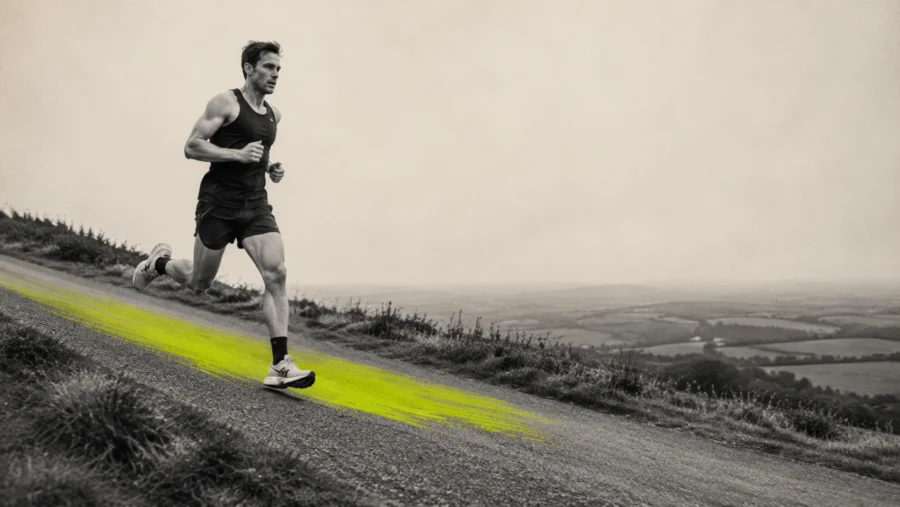
4. YOU ARE RUNNING DOWNHILL
Downhill running increases the tendency for your foot to move towards the front of the shoe.
Every landing creates a small braking force. During a long or steep descent, the toes may repeatedly strike the toe box even if the shoes normally feel comfortable on flat ground.
This helps explain why black toenails are especially common after:
- Hilly road marathons
- Trail races
- Mountain events
- Long training runs with extended descents
- Walking or running holidays involving steep terrain
Secure lacing becomes particularly important on descents. Your shoe should hold the heel without creating excessive pressure across the top of the foot.
If your toes consistently hit the front while running downhill, the shape or fit of the shoe may not suit you.
5. YOUR FEET SWELL DURING LONG RUNS
A shoe that feels spacious at the start of a run may feel considerably tighter two hours later.
Feet can swell as running duration and temperature increase. Heat may add to the problem, while repeated impact can change how the foot sits inside the shoe.
The result is less available space around the toes.
When trying running shoes:
- Wear the socks you normally run in
- Check the fit around your longest toe
- Consider how the shoe feels later in the day
- Test both shoes because one foot may be larger
- Assess width as well as length
- Avoid assuming your usual casual-shoe size will be correct
Some runners require a larger running-shoe size than their everyday footwear. Others need a wider shape rather than additional length.
The label inside the shoe is less important than the fit around your actual foot.
6. YOU INCREASED YOUR MILEAGE TOO QUICKLY
Toenail damage is more likely when your feet are exposed to a volume of running they have not experienced before.
A shoe may feel perfectly comfortable during a 5K but cause problems during a two-hour long run. The difference is not necessarily the shoe alone—it is the number of times your toe makes contact with it.
Common triggers include:
- Your first marathon training block
- A sudden increase in long-run distance
- Consecutive high-mileage days
- An ultramarathon
- A steep trail race
- A race completed much faster than your usual long-run pace
Increase your mileage progressively and pay attention to early signs of pressure.
A tender nail after 10 miles is useful information. Repeating the same conditions for another 16 miles is unlikely to improve it.
Read our guide to weekly running mileage for advice on building distance more gradually.
7. IT IS NOT ACTUALLY RUNNER’S TOE
Running is a plausible explanation for a bruised toenail – but it should not become the automatic explanation for every nail change.
Other causes can include:
- Fungal nail infections
- Bacterial infections
- Ingrown toenails
- Psoriasis
- A single impact or crush injury
- Certain health conditions
- Side effects from medication
- Rarely, melanoma beneath the nail
Fungal nails often become thickened, discoloured, brittle or crumbly. They may affect several nails and generally do not appear immediately after one demanding run.
A bruise caused by running should gradually move towards the end of the toe as the nail grows. A new or changing dark vertical streak, pigmentation spreading onto the surrounding skin or a mark that does not grow out requires medical assessment.
The NHS recommends speaking to a GP when a nail changes shape, changes colour or falls off without a known reason.
HOW TO PREVENT BLACK AND MISSING TOENAILS
CHECK YOUR SHOE FIT
Your toes should not press against the front or top of the shoe.
At the same time, your heel and midfoot should feel secure enough to prevent the foot sliding forwards. Check your shoes while standing and, ideally, after your feet have warmed up.
Do not focus solely on length. Width, toe-box shape and heel security all matter.
USE SECURE LACING
Adjust the laces so the shoe holds the foot without causing numbness or pressure across the top.
A heel-lock technique may help runners whose feet slide forwards, particularly during downhill running. Test any new lacing method during training rather than on race morning.
TRIM YOUR TOENAILS CORRECTLY
Cut toenails straight across and smooth any sharp edges.
Do not cut deeply down the sides, tear the corners or trim the nail excessively short. Complete this several days before a race so any accidental tenderness has time to settle.
CHOOSE YOUR SOCKS CAREFULLY
Socks that bunch around the toes can reduce the available space inside the shoe. Seams, folds and excess fabric may also create pressure.
Choose moisture-managing socks that fit smoothly and have already been tested during long runs.
BUILD LONG-RUN DISTANCE GRADUALLY
Shoe problems sometimes appear to be mileage problems because they only become noticeable after prolonged running.
Increase distance gradually, use your long runs to monitor your feet and respond to tenderness before it becomes a larger injury.
PREPARE FOR DESCENTS
Secure your footwear before a long downhill section. If you regularly run hilly routes, select shoes that hold your heel and midfoot effectively.
Trail shoes should provide enough downhill security without crushing the toes.
KEEP FEET AND SHOES DRY
Damp, warm footwear creates an environment in which fungi can thrive.
Allow shoes to dry between runs, change out of wet socks promptly and avoid sharing nail clippers or towels. Treat athlete’s foot rather than ignoring it.
WHAT SHOULD YOU DO WITH A BLACK TOENAIL?
A mildly discoloured toenail with little or no pain can often be monitored.
Reduce the pressure that caused it, keep the nail clean and dry, and wear footwear that does not irritate the area.
The discolouration should gradually move forwards as the nail grows. This process can take months because toenails grow slowly.
Avoid covering the nail continuously with dark polish. Being able to see the nail makes it easier to notice whether the mark is growing out or changing.
SHOULD YOU DRAIN A BLACK TOENAIL?
A painful collection of blood can create significant pressure beneath the nail. A healthcare professional may relieve this through a procedure called trephination.
This involves making a small opening in the nail plate to allow the trapped blood to drain.
Do not attempt this yourself using a needle, drill, blade or heated object.
Home drainage creates risks including infection, burns and further damage to the nail bed. Severe pain, increasing pressure or a more substantial injury should be assessed by a healthcare professional, minor injuries unit or podiatrist.
WHAT SHOULD YOU DO IF THE TOENAIL IS LOOSE?
Do not pull it off.
A loose nail may still be attached to part of the nail bed. Pulling it can tear the tissue underneath, cause bleeding and potentially affect how the replacement nail grows.
Instead:
- Wash the toe gently
- Dry it thoroughly
- Carefully trim only the section that is no longer attached
- Protect any catching edge with a clean dressing
- Wear shoes that do not press on it
- Monitor for redness, swelling, warmth or discharge
If the nail is very loose, painful or difficult to manage, ask a podiatrist or healthcare professional to examine it.
CAN YOU CONTINUE RUNNING WITH A BLACK TOENAIL?
This depends on the level of pain and the extent of the injury.
You may be able to continue with shorter, easier running if:
- The toe is not painful
- The nail is secure
- There is no sign of infection
- Your running gait remains normal
- You can remove the source of pressure
Reduce or stop running if the pain is worsening, you are changing your stride, the toe is bleeding or the surrounding skin is inflamed.
Continuing to run in the same shoes without correcting the cause is likely to repeat the trauma.
Fitness will survive a few adjusted runs. Your nail bed may be less forgiving.
WILL THE TOENAIL GROW BACK?
In most cases, yes.
A replacement nail grows from the nail matrix underneath the skin at the base of the nail. It may take several weeks before new growth becomes visible and approximately six to nine months for a toenail to grow out completely.
The new nail may initially look:
- Ridged
- Uneven
- Thicker or thinner
- Slightly different in shape
Repeated or severe damage to the nail matrix can occasionally cause longer-term changes. Seek professional advice if the new nail is painful, grows abnormally or repeatedly becomes detached.
WHEN SHOULD YOU SEEK MEDICAL ADVICE?
Speak to a healthcare professional if:
- The pain is severe, throbbing or becoming worse
- You cannot walk normally or bear weight
- There was a major impact or possible broken toe
- Bleeding does not stop
- The skin is red, swollen, hot or producing discharge
- You develop a fever
- The nail changed colour or fell off without an obvious injury
- A dark mark does not move as the nail grows
- You notice a new or changing vertical dark streak
- Pigmentation spreads onto the surrounding skin
- Several nails become thickened or discoloured
- You have diabetes, poor circulation or a weakened immune system
A history of running does not rule out an infection or another medical cause.
THE RUNNER’S JOURNAL TAKEAWAY
Missing toenails are common among long-distance runners. They are not compulsory.
Most cases begin with the same basic problem: repeated contact between the toenail and the shoe. The shoe may be too short, too narrow or too loose. The nail may be too long. The route may contain more downhill running than your footwear can handle.
Whatever the cause, the damage is information.
Check the fit. Secure the heel. Trim the nails correctly. Build your distance gradually and pay attention when a toe begins feeling tender.
If a nail is already loose, resist the urge to help it complete the journey.
And if the discolouration appeared without an obvious cause, does not grow out or looks like a changing vertical streak, do not assume it is simply proof that you run.
RUNNERS’ TOENAILS: FREQUENTLY ASKED QUESTIONS
Why do runners’ toenails turn black?
The most common reason is bleeding beneath the nail caused by repeated pressure or impact. The trapped blood can appear red, purple, brown or black.
Why do runners’ toenails fall off weeks after a race?
The original injury can separate the nail from its bed. The damaged nail may remain temporarily attached before loosening as a replacement nail begins growing underneath.
Should you remove a loose toenail?
No. Do not pull it off. Carefully trim only the part that is already detached and protect it from catching. Seek podiatry advice if the nail is painful or difficult to manage.
Can you run after losing a toenail?
You may be able to run once the area is protected, pain-free and showing no signs of infection. Choose footwear that does not press on the exposed nail bed and stop if running changes your gait or increases pain.
How long does a toenail take to grow back?
A complete toenail may take approximately six to nine months to grow out. Severe damage to the nail matrix may extend the process or change the appearance of the new nail.
Should running shoes be larger to prevent black toenails?
Many runners need more space than they have in casual shoes, but automatically buying a much longer shoe is not always the answer. The shoe must provide toe room while securely holding the heel and midfoot.
Can a black toenail be caused by fungus?
Yes. Fungal infections can cause discolouration, thickening and crumbling. A fungal infection may resemble an injured nail and sometimes requires testing before treatment.
When is a black toenail not caused by running?
Seek medical advice when the mark appeared without an obvious injury, does not move as the nail grows, forms a new or changing dark vertical streak or spreads onto the surrounding skin.
Related Reading
- How to Choose Running Shoes: 7 Things That Actually Matter
- 13 Surprising Marathon Problems Every Runner Should Know
- 7 Warning Signs Your Weekly Running Mileage Is Too High
REFERENCES
- NHS. Nail problems.
- Cleveland Clinic. Damage Control: What to Know About Runner’s Toe.
- Cleveland Clinic. Subungual Haematoma: Bleeding and Bruising Under the Nail.
- Song Y et al. Influence of changes in foot morphology and temperature on shoe microclimate during long-distance running. 2024.
- American Academy of Dermatology. Nail changes a dermatologist should examine.
- American Academy of Dermatology. Nail fungus: FAQs.
This article provides general educational information and is not a diagnosis or substitute for medical or podiatry advice. Seek professional assessment for unexplained nail changes, severe pain, infection or concerns about a dark mark beneath a nail.